EU Emissions trading system
(EU ETS)
What is the purpose of the EU ETS?
The EU Emissions Trading System (EU ETS) is designed to create economic incentives to reduce greenhouse gas emissions. It is the EU’s main policy instrument for achieving its target of a 55% reduction in greenhouse gas emissions by 2030, compared with 1990 levels.
In addition to the 27 EU Member States, Iceland, Norway and Liechtenstein participate in the system, which has been in operation since 2005.




The Union Registry
The EU Union Registry is a database that records:
- ownership of emission allowances,
- the allocation of free emission allowances, and
- the annual surrendering of emission allowances for the previous year’s emissions.
Both companies and individuals can hold accounts in the Union Registry and store allowances they own.
The Registry works much like online banking, except that instead of money, it holds emission allowances that can be transferred between accounts based on agreements made outside the registry.

What is the CBAM?
With the introduction of the Carbon Border Adjustment Mechanism (CBAM), free allocation of emission allowances to stationary installations with activities at risk of carbon leakage will be phased out.
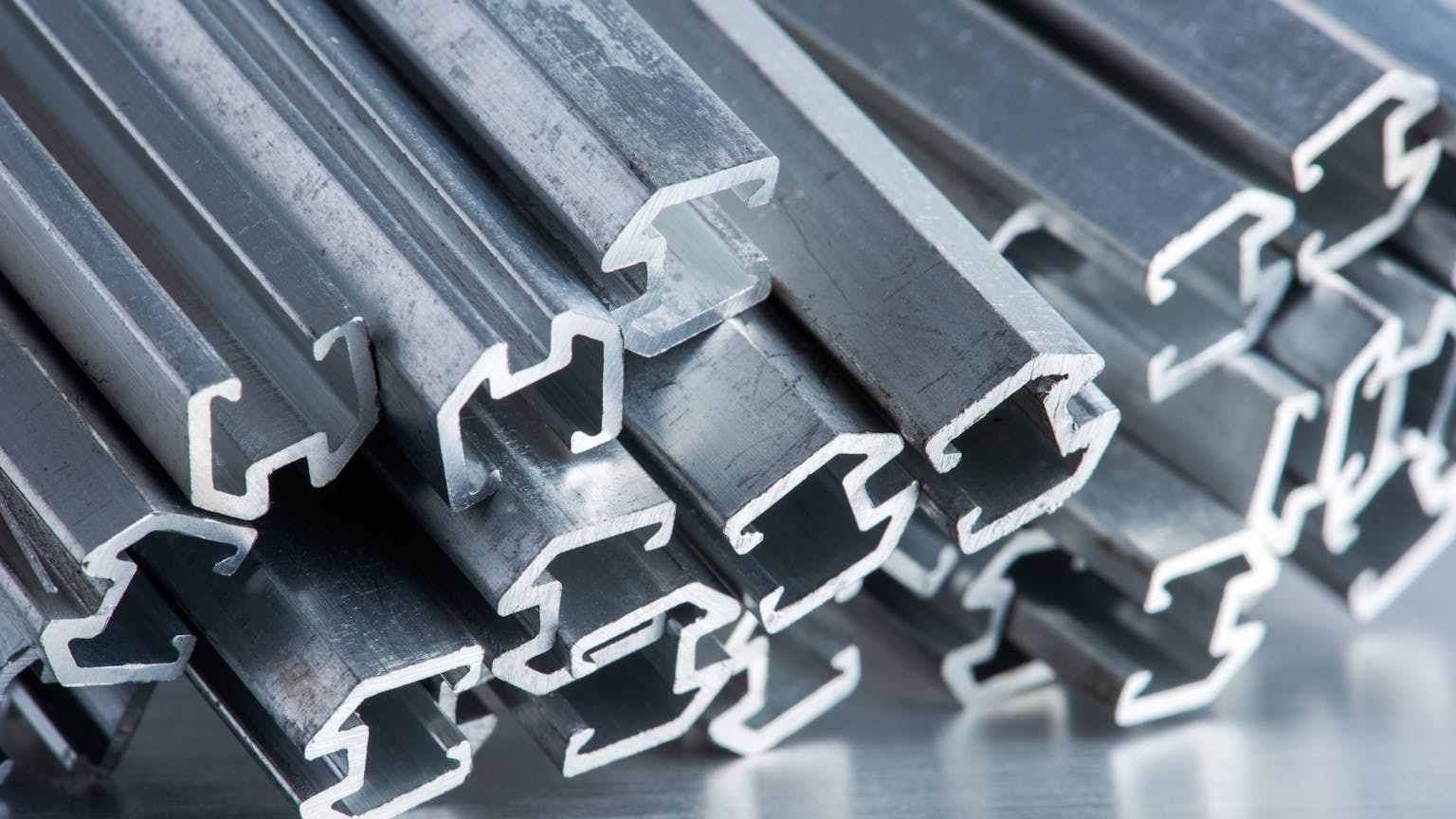
Initially, CBAM applies to the production of iron and steel, aluminium, cement, and fertilisers (CBAM goods). Additional sectors are expected to be included in the coming years.
CBAM introduces a specific carbon charge on imports of these goods. The charge is based on the greenhouse gas emissions generated during production, and the price of emission allowances under the EU ETS.
Free allocation of emission allowances will decrease annually from 2026 to 2034, when it will be fully phased out.
Was the content helpful?
Help us improve the content